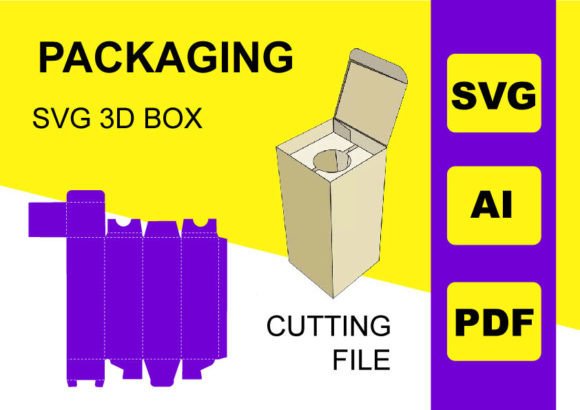
Streamlining Product Presentation with a Precision Paper Box Template for Packaging Bottle
In the competitive landscape of retail and e-commerce, the unboxing experience is no longer an afterthought; it is a critical touchpoint in customer satisfaction. For brands selling liquid products—ranging from artisanal oils and craft spirits to premium skincare serums—the structural integrity and aesthetic appeal of the packaging are paramount. This is where a professionally designed Paper Box Template for Packaging Bottle becomes an indispensable asset for designers, small business owners, and packaging engineers alike.
Creating custom packaging from scratch can be a daunting task fraught with technical pitfalls. Misaligned folds, incorrect dimensions, or poor resolution can lead to costly printing errors and wasted materials. By utilizing a pre-engineered template, you bypass the steep learning curve of structural design and focus entirely on branding and visual identity. This article explores the practical advantages of using high-quality digital templates, specifically those provided in versatile formats like AI, SVG, EPS, and PDF, and how they integrate seamlessly into modern production workflows.
The Importance of Structural Accuracy in Bottle Packaging
Bottles present unique challenges compared to standard rectangular products. They are cylindrical, often fragile, and vary significantly in height and diameter. A generic box rarely fits perfectly, leading to excessive movement during shipping, which increases the risk of breakage. A dedicated paper box template ideal for packaging bottle ensures that the internal dimensions are calculated to provide a snug fit, minimizing the need for excessive void fillers like bubble wrap or packing peanuts.
When you download a high-resolution template, you are acquiring a blueprint that has already accounted for the material thickness, fold allowances, and locking mechanisms. This precision is crucial for maintaining the professional look of your product. A box that bulges or gaps at the seams suggests low quality, whereas a crisp, well-fitted package conveys value and attention to detail. The template serves as the foundation upon which your brand’s story is told, ensuring that the physical container matches the premium nature of the contents.
Versatility Through Multiple File Formats
One of the most significant benefits of purchasing a digital template package is the variety of file formats included. A comprehensive download typically includes a zipped folder containing separate files in PDF, AI, SVG, and EPS formats. Each format serves a specific purpose in the design and production pipeline, offering flexibility regardless of the software you prefer or the machinery you use.
- AI (Adobe Illustrator): This is the industry standard for vector graphic design. The AI file allows you to edit every anchor point, adjust colors, and manipulate shapes with complete freedom. It is ideal for professional designers who need to customize the template extensively, such as adding die-cut windows or altering the flap structures.
- EPS (Encapsulated PostScript): Similar to AI, EPS is a universal vector format compatible with a wide range of design software, including CorelDRAW and Inkscape. It ensures that your design remains scalable without losing quality, making it perfect for sending to professional print shops that may not use Adobe products.
- SVG (Scalable Vector Graphics): This format has gained immense popularity among hobbyists and small businesses using cutting plotters. SVG files are fully compatible with machines like Cricut and Silhouette. If you are producing small batches of packaging in-house, the SVG file allows you to cut the box structure directly from cardstock or kraft paper with precision.
- PDF (Portable Document Format): The PDF file serves as a universal reference. It is excellent for quick previews, sharing with clients for approval, or sending to printers who require a flat, non-editable proof. It ensures that what you see on your screen is exactly what will be printed, provided the resolution is maintained.
High-Resolution Quality for Professional Results
Print quality is non-negotiable. A template marketed as a Paper Box Template for Packaging Bottle must deliver high-quality resolution, typically 300 DPI (dots per inch). This density ensures that when your design is printed, the lines are sharp, the colors are vibrant, and there is no pixelation or blurriness. Low-resolution files might look acceptable on a computer screen but will result in jagged edges and muddy prints when scaled up to the size of a physical box.
The 300 DPI standard is essential for both offset printing and digital printing methods. It guarantees that fine details, such as small text ingredients lists, barcodes, or intricate brand logos, remain legible and crisp. When you invest in a template that prioritizes high resolution, you are safeguarding the professional appearance of your final product. This level of quality is particularly important for luxury goods, where the tactile and visual experience of the packaging contributes significantly to the perceived value of the item.
Integrating Templates into Modern Workflows
The modern creator economy relies on speed and efficiency. Whether you are a startup launching a new line of cold-pressed juices or an established brand refreshing its look, time-to-market is critical. Using a pre-made template drastically reduces the development phase. Instead of spending days drafting structural diagrams and testing prototypes, you can download the file instantly and begin designing immediately.
For those using cutting plotters, the workflow is even more streamlined. The SVG compatibility means you can import the file directly into your cutting software, select your material type, and start production. This is ideal for limited-edition runs, seasonal promotions, or personalized gifts. You can produce small batches on demand, reducing inventory waste and allowing for greater agility in responding to market trends.
Furthermore, the digital nature of these files supports sustainable practices. By getting the design right digitally before committing to physical materials, you reduce the trial-and-error waste associated with traditional prototyping. You can visualize the final product in 3D using design software, make adjustments, and only then proceed to print and cut. This "measure twice, cut once" approach is both economically and environmentally responsible.
Customization and Brand Identity
While the structural template provides the skeleton, your design provides the soul. The blank canvas offered by these templates allows for unlimited creative expression. You can apply full-color wraps, minimalist typography, or textured finishes. The key is to ensure that your graphic design aligns with the fold lines and cut paths provided in the template.
Most professional templates include distinct layers for cuts, folds, and bleeds. Understanding these layers is crucial. The cut line indicates where the machine will slice the paper, while the fold line shows where the material should be creased. The bleed area extends beyond the cut line to ensure that no white edges appear if the cut is slightly off-register. By respecting these guidelines within the AI or EPS file, you ensure a flawless final assembly.
Consider the scenario of a local honey producer. Using a paper box template ideal for packaging bottle, they can create a rustic, eco-friendly look by printing on recycled kraft paper. The SVG file allows them to cut the boxes using a desktop cutter in their workshop. They can add a simple stamped logo and a twine handle, creating a charming, artisanal presentation that resonates with their target audience. Without the template, achieving consistent box sizes for hundreds of units would be nearly impossible.
Practical Considerations Before Downloading
Before selecting a template, it is vital to measure your bottle accurately. Include the cap or pump in your height measurement, as these often add significant bulk. Check the diameter at the widest point. Ensure that the template you choose accommodates these dimensions with a slight margin for ease of insertion. While many templates are adjustable, starting with a base size close to your product saves time.
Additionally, consider the weight of your product. Heavier bottles require thicker cardstock, which may affect how the folds behave. Some templates are designed specifically for lighter materials, while others account for the rigidity of heavy board. Reviewing the specifications of the template and testing with your intended material is a recommended step before full-scale production.
In conclusion, a high-quality Paper Box Template for Packaging Bottle is more than just a digital file; it is a tool that empowers creators to produce professional, protective, and attractive packaging. With support for multiple formats like AI, SVG, EPS, and PDF, and a commitment to high-resolution output, these templates bridge the gap between conceptual design and tangible reality. They enable businesses of all sizes to elevate their brand presence, streamline their production workflows, and deliver a superior unboxing experience to their customers.