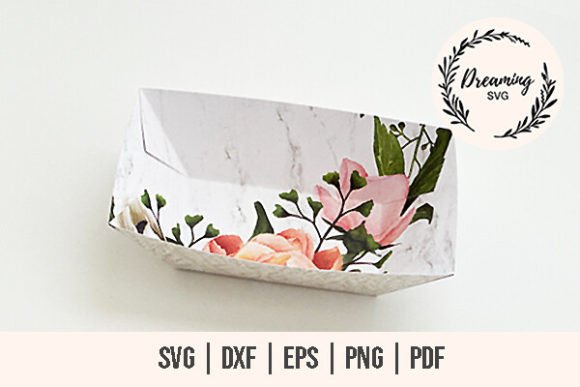
Mastering Custom Packaging with the Food Tray Template SVG
In the world of small business, event planning, and creative crafting, presentation is often just as important as the product itself. Whether you are a baker delivering artisanal cookies, a caterer serving appetizers at a wedding, or a hobbyist creating personalized gifts, the container you choose speaks volumes about your brand and attention to detail. This is where digital design tools have revolutionized the way we approach packaging. Specifically, utilizing a Food Tray Template SVG allows creators to move away from generic, mass-produced boxes and toward custom, professional-grade solutions that can be produced right from a home studio or small workshop.
The Shift Toward Digital DIY Packaging
Gone are the days when custom packaging required expensive minimum orders from industrial manufacturers. The rise of consumer-grade cutting machines has democratized the production of high-quality paper goods. At the heart of this movement is the vector file. When you acquire a Food Tray SVG, you aren't just buying an image; you are acquiring a precise set of mathematical instructions that tell a machine exactly where to cut, score, and fold.
This specific type of digital asset is designed for versatility. Unlike a static JPEG or PNG, which loses quality when enlarged, the SVG (Scalable Vector Graphics) format ensures that your design remains crisp whether you are printing it on a small label or scaling it up for a larger display tray. For professionals using software like Adobe Illustrator, Inkscape, or proprietary machine software, these files provide the flexibility needed to tweak dimensions, change colors, or add unique branding elements before the cutting process even begins.
Understanding the File Formats and Compatibility
One of the most significant advantages of purchasing a comprehensive digital package is the variety of formats included. A robust product offering typically includes SVG, PNG, DXF, EPS, and PDF files, all compressed into a single zip folder for easy access. Each format serves a distinct purpose in the workflow:
- SVG and DXF: These are the primary vector files used by cutting machines such as Cricut, Silhouette, and Brother ScanNCut. They contain the cut lines and score lines necessary to create the 3D structure of the tray.
- EPS: Ideal for professional graphic designers using vector editing software who may need to integrate the tray design into a larger branding suite.
- PDF: Often modified to fit standard paper sizes, this format is perfect for those who may not have a cutting machine but still wish to print and assemble the trays manually using scissors and a craft knife.
- PNG: Useful for previewing the design or using it in digital mockups and marketing materials.
It is crucial to understand that these are digital items only. No physical product will be shipped. The value lies in the immediate availability; once downloaded, you can produce as many trays as your project requires, making it a cost-effective solution for both one-off events and ongoing business needs.
Practical Specifications and Material Considerations
While the digital file provides the blueprint, the success of the final product relies heavily on material selection and assembly knowledge. A well-designed Food Tray Template SVG comes with specific dimensional expectations. For instance, a standard full-assembled box might measure approximately W 4.0 x L 6.0 x H 1.75 inches (or 102mm x 152mm x 44mm). These dimensions are ideal for holding a variety of treats, from macarons and cupcakes to savory finger foods and appetizers.
However, the integrity of the tray depends on the cardstock used. The instructions attached with cutting files usually recommend heavyweight cardstock, specifically 80lb (210gsm) or heavier. Why is this important? Lighter paper may buckle under the weight of food items or fail to hold the structural folds required to keep the tray rigid. Using the recommended weight ensures that the tabs lock securely and the sides remain upright, providing a professional finish that protects the contents.
Furthermore, compatibility with paper sizes is a key consideration. The PDF version of such templates is often slightly modified to fit neatly on standard A4 or 8.5x11 inch cardstock, minimizing waste. Meanwhile, the SVG and DXF versions are versatile enough to fit on both 8.5x11 inch sheets and larger 12x12 inch cardstock, giving users the freedom to utilize whatever materials they have on hand or prefer for their specific color schemes.
Real-World Applications and Use Cases
The utility of a Food Tray SVG extends far beyond simple storage. It is a tool for branding and experience creation. Consider the following scenarios where these templates shine:
- Bakery and Confectionery Businesses: Small bakeries can create branded trays for local delivery or farmers' markets. By printing their logo directly onto the cardstock before cutting, they elevate a simple cookie into a premium gift item without the cost of custom die-cutting services.
- Wedding and Event Favors: Couples planning weddings often seek unique ways to thank guests. A custom-colored tray filled with chocolates or nuts, matching the wedding theme, serves as a memorable favor that guests are likely to keep and reuse.
- Catering and Corporate Events: For passed appetizers or buffet stations, uniform trays provide a clean, organized look. The ability to scale the design means caterers can potentially adjust the template for different portion sizes if they possess the technical skills to modify the vector paths.
- Educational and Community Projects: Schools and community centers can use these templates for fundraising bake sales. The low cost per unit (after the initial download) allows for high profit margins while teaching students about design and manufacturing.
Evaluating Suitability and Limitations
While the benefits are numerous, it is important to approach these digital tools with realistic expectations. The primary limitation is the learning curve associated with cutting machines. Users must be familiar with their machine's settings for cutting versus scoring. If the machine cuts through a fold line instead of scoring it, the tray may crack or look unprofessional. Conversely, if it doesn't cut deep enough, the pieces won't separate cleanly.
Additionally, because these are instant download products, there is no physical customer support for assembly issues unless the seller provides detailed documentation. Most reputable shops include an instruction file with the cutting files, which is invaluable. This guide typically outlines the folding sequence and tab insertion order, ensuring a smooth assembly process. Without following these instructions, even the best-designed Food Tray Template SVG can result in frustration.
Another consideration is the "instant" nature of the product. Since no physical item is shipped, the buyer assumes responsibility for sourcing the correct materials. If a user purchases the file but only has access to thin printer paper, the resulting tray will not function as intended. Therefore, evaluating your access to proper supplies—specifically the recommended 80lb+ cardstock—is a necessary step before purchase.
Maximizing Value Through Customization
The true power of vector files lies in their editability. While the template provides a proven, structurally sound design, users are encouraged to make it their own. This might involve changing the color of the cardstock to match a seasonal theme, adding a patterned background layer in the design software, or incorporating a monogram.
For business owners, this customization is a strategic advantage. It allows for agility; you can switch from a Christmas red tray to a pastel spring tray overnight simply by changing the paper roll in your machine, rather than waiting weeks for a new shipment of pre-printed boxes. This responsiveness to trends and seasons is a hallmark of successful modern small businesses.
Conclusion: Empowering Creators with Precision Tools
In conclusion, the Food Tray Template SVG represents more than just a digital file; it is an enabler of creativity and professionalism. By bridging the gap between digital design and tangible products, these templates allow individuals and businesses to take control of their packaging narrative. The inclusion of multiple formats like SVG, DXF, EPS, and PDF ensures compatibility across a wide range of hardware and software ecosystems, from the hobbyist with a basic cutter to the professional designer with a full studio setup.
When paired with the right materials—specifically heavyweight cardstock—and a clear understanding of the assembly instructions, these templates yield results that rival expensive custom manufacturing. Whether for a single special occasion or the daily operations of a growing enterprise, the ability to instantly download, customize, and produce high-quality food trays offers unparalleled convenience and value. As the maker economy continues to grow, tools like these will remain essential for anyone looking to make a lasting impression through thoughtful, custom-crafted presentation.