Crafting a 3D Holiday Centerpiece: Evaluating the Smiling Snowman SVG for Paper Projects
For crafters and DIY enthusiasts looking to elevate their winter décor beyond flat ornaments or standard greeting cards, three-dimensional paper engineering offers a compelling middle ground between intricate origami and bulky store-bought decorations. Among the various digital designs available for cutting machines, the Smiling Snowman SVG stands out as a functional hybrid: it is both a charming seasonal sculpture and a practical storage vessel. This specific file type distinguishes itself by combining aesthetic appeal with utility, creating a project that serves as a gift box, a treat container, or a standalone mantle piece.
When evaluating whether this design fits your current project needs, it is essential to look past the cute exterior and understand the structural mechanics, material requirements, and comparative advantages it holds over other holiday crafting options. Unlike simple silhouette cutouts that rely on backing paper for context, this design utilizes scored folds and interlocking tabs to create a self-supporting structure with significant dimensional presence.
Structural Design and Functional Utility
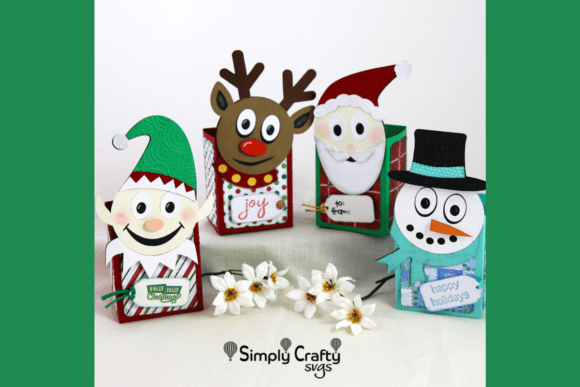
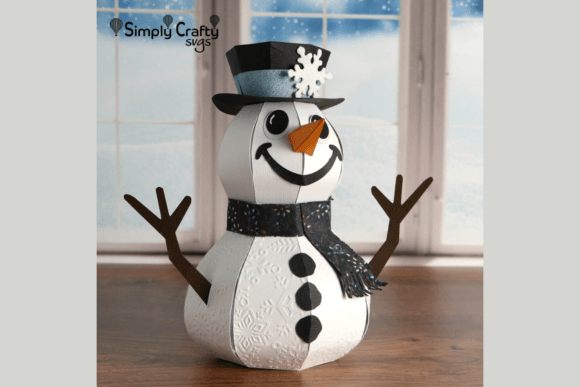
The core appeal of the Smiling Snowman SVG lies in its dual functionality. Many seasonal SVG files result in static decorations that are displayed and then packed away. In contrast, this design incorporates an interactive element: the snowman's head is removable. This feature transforms the body into a secure compartment capable of holding small gifts, gift cards, candies, or handwritten notes.
This "interactive storage" capability changes how the project is utilized. For educators or party planners, it serves as an engaging activity where the final product has immediate use as a favor box. For home decorators, it offers a way to hide clutter—such as remote controls or coasters—within a festive theme during the winter months. The finished dimensions, typically measuring approximately 5 inches by 5 inches at the base and standing 8 inches tall, provide a substantial footprint. This size is large enough to be a focal point on a tabletop but compact enough to fit within standard shipping boxes if you intend to mail the completed craft to distant relatives.
The 3D structure provides a sturdy base and a rounded silhouette that brings a handcrafted feel to any setting. Achieving this rounded look requires precise scoring and folding, which the SVG file facilitates through designated score lines. When assembled correctly, the panels curve naturally, avoiding the boxy, angular look common in simpler papercraft templates.
Material Considerations and Resource Allocation
One of the most critical factors in deciding to undertake this project is understanding the material investment. Unlike single-layer vinyl decals or simple card inserts, the Smiling Snowman SVG is material-intensive. A standard build requires a significant amount of cardstock to achieve the necessary rigidity for a freestanding object.
To replicate the intended durability and finish, crafters should plan for the following material usage:
- Body Structure: Two 12" x 12" sheets of cardstock are typically required for the main box components if building without additional decorative side panels.
- Decorative Panels: If the design includes separate patterned layers to cover the structural base, an additional two 12" x 12" sheets may be needed.
- Accessories: One 12" x 12" sheet is generally allocated for the hat and smaller facial features.
This requirement means that a single project can consume up to five sheets of high-quality paper. When comparing costs, this is higher than projects using scrap paper or standard printer paper. The choice of paper weight is also vital; lightweight paper (under 65 lbs) may buckle under the tension of the 3D folds, while extremely heavy chipboard may be difficult to score without cracking. Textured cardstock, such as American Crafts AC Textured Cardstock, is often recommended because the texture helps hide minor glue seams and adds a tactile quality that mimics snow.
It is worth noting that while the main structural elements demand full 12" x 12" sheets, the SVG files are often compatible with letter-size paper if ungrouped. Smaller paper can be effectively used for the remaining elements like the hat brim, nose, or buttons, allowing crafters to utilize scraps efficiently.
Comparative Analysis: 3D Papercraft vs. Alternative Decor
When choosing holiday projects, crafters often weigh papercraft against other mediums like fabric sewing, clay modeling, or purchasing pre-made decor. The Smiling Snowman SVG occupies a specific niche in this landscape.
Compared to Sewn Fabric Plushies: Fabric snowmen offer softness and washability but require sewing skills, stuffing materials, and significantly more time to construct. The paper version offers a crisp, architectural aesthetic and can be assembled in a fraction of the time, especially with the aid of a step-by-step video tutorial. However, paper lacks the durability of fabric; it is not suitable for households with pets or small children who might handle the item roughly.
Compared to Flat Vinyl Decals: Vinyl projects are low-cost and quick but lack dimensional presence. They adhere to surfaces and cannot stand alone. The Smiling Snowman SVG provides a free-standing object that interacts with light and shadow, creating a more dynamic visual impact on a shelf or mantel.
Compared to Store-Bought Resin or Ceramic Figures: Commercial figures are durable but mass-produced. The primary value proposition of the SVG route is customization. Crafters can choose specific color palettes to match existing room décor, personalize the facial expression, or adjust the scale if their cutting software allows for resizing. The "handcrafted feel" is a distinct advantage for those seeking unique gifts rather than generic retail items.
Assembly Complexity and Skill Requirements
While the end result appears complex, the assembly process is designed to be accessible. The inclusion of a fun, step-by-step video tutorial is a significant asset, bridging the gap between digital file and physical object. For beginners, the learning curve involves mastering the art of scoring and gluing tabs neatly.
The trade-off here is precision versus speed. Rushing the gluing process can lead to misaligned panels, causing the snowman to lean or the head to sit unevenly. Patience is required to allow adhesive to set before adding weight to the structure. Additionally, the "removable head" mechanism relies on friction and fit; if the tolerances are too loose due to imprecise cutting or thick glue application, the head may not stay secured.
For users without electronic cutting machines (like Cricut or Silhouette), printing and hand-cutting this design is possible but labor-intensive. The numerous small tabs and intricate curves of the smile and eyes make manual cutting a test of patience. Therefore, this project is best suited for those with access to digital die-cutting tools or those willing to invest considerable time in manual precision.
Decision Factors: Is This Project Right for You?
Determining whether to download and assemble the Smiling Snowman SVG depends on your specific goals and constraints.
This option is ideal if:
- You need a festive container for small gifts or treats that doubles as décor.
- You have access to a cutting machine and a supply of 12" x 12" cardstock.
- You prefer structured, architectural crafts over soft or fluid mediums.
- You are looking for a project that can be completed in a single sitting with the help of a tutorial.
You may want to consider alternatives if:
- Your primary constraint is material cost, as this project consumes multiple sheets of premium paper.
- You require a weather-resistant decoration for outdoor use; paper will degrade quickly in moisture.
- You are crafting with very young children who need a project with minimal small parts and no sharp tools.
- You lack the patience for detailed assembly and tab-gluing.
Ultimately, the versatility of this design allows it to transition from a Christmas-specific gift to a general winter decoration. Its classic snowman aesthetic ensures it remains relevant from December through February, maximizing the return on your crafting time. By understanding the material demands and structural nuances, you can approach the project with realistic expectations, ensuring a successful and satisfying creative experience.