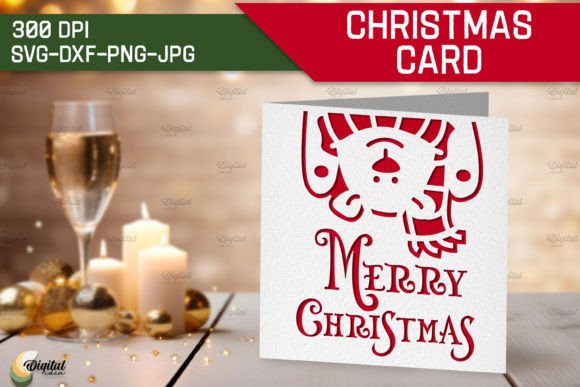
Layered Bear SVG for Christmas Cards: A Practical Guide for Creators
In the world of digital design and crafting, efficiency often dictates the quality of the final output. For professionals, small business owners, and serious hobbyists, the ability to produce high-quality, scalable graphics without starting from scratch is a significant advantage. This is where pre-designed vector assets come into play. Specifically, the Bear SVG. Christmas Card Animal. Layered file set represents a targeted resource for those looking to streamline their holiday design workflow while maintaining creative control.
This article examines the practical utility of this digital product, analyzing its format versatility, layering capabilities, and potential applications in both personal and commercial projects. By understanding the technical specifications and design flexibility of this asset, creators can better determine if it aligns with their current project needs.
Understanding the Digital Asset Structure
It is crucial to clarify from the outset that this is a digital product. No physical goods will be sent, and the photos provided in listings are intended solely for inspiration. What you receive is a zip folder containing the design in multiple file formats: SVG, DXF, EPS, PDF, JPEG, and PNG. This multi-format approach is not merely a convenience; it is a necessity for modern cross-platform compatibility.
The core of this product is the Bear SVG. Christmas Card Animal. Layered file. The term "layered" is significant here. In vector design, a layered file allows individual elements of the image to be manipulated independently. For a Christmas card design featuring a bear, this might mean the bear’s body, facial features, accessories (such as a scarf or hat), and background elements are on separate layers. This structure enables users to change colors, resize specific components, or remove elements entirely without affecting the integrity of the rest of the design.
Format Versatility and Workflow Integration
The inclusion of various file formats ensures that the asset can be integrated into diverse workflows:
- SVG (Scalable Vector Graphics): Ideal for web use and compatible with most cutting machines like Cricut and Silhouette. It retains quality at any size.
- DXF (Drawing Exchange Format): Primarily used for CAD software and older cutting machine interfaces, ensuring broader hardware compatibility.
- EPS (Encapsulated PostScript): The standard for professional graphic design software such as Adobe Illustrator and CorelDRAW. This format is essential for high-end print production.
- PDF (Portable Document Format): Useful for quick previews, printing directly from a browser, or sharing designs with clients who may not have specialized design software.
- JPEG and PNG: Raster images suitable for social media posts, website headers, or sublimation printing where vector editing is not required. The PNG likely includes a transparent background, which is critical for overlaying the design onto different colored materials.
This comprehensive format support reduces the friction often associated with converting files between programs, saving time and preserving design fidelity.
Design Flexibility and Creative Potential
The primary value proposition of the Bear SVG. Christmas Card Animal. Layered lies in its adaptability. A static image limits creativity, but a layered vector file invites modification. For marketers and bloggers, this means the ability to customize the design to fit specific brand guidelines. You can adjust the color palette to match your corporate identity or seasonal campaign themes.
For educators and publishers, the simplicity and clarity of vector lines make these designs excellent for educational materials, coloring books, or classroom decorations. The bear motif, universally recognized and appealing, serves as a neutral yet engaging subject that resonates across demographics.
Practical Applications for Small Businesses
Small business owners, particularly those in the print-on-demand or handmade goods sector, can leverage this asset to expand their product lines rapidly. Consider the following applications:
- Holiday Greeting Cards: As the name suggests, this is optimized for Christmas cards. The layered nature allows for easy customization of text placement and background colors.
- Apparel Design: Using the SVG or DXF files, entrepreneurs can create heat-transfer vinyl (HTV) designs for t-shirts, hoodies, and tote bags. The clean lines ensure crisp cuts and professional-looking results.
- Home Decor: The design can be scaled up for wall art, wooden signs, or window decals. The EPS file ensures that even when enlarged to poster size, the edges remain sharp and free of pixelation.
- Digital Marketing Assets: The PNG and JPEG files can be immediately deployed in email newsletters, social media posts, or website banners, providing a cohesive visual theme during the holiday season.
Evaluating Quality and Usability
When assessing any digital design asset, consistency and reliability are paramount. A well-constructed SVG should have clean paths, no unnecessary anchor points, and properly grouped layers. The Bear SVG. Christmas Card Animal. Layered is designed with these principles in mind. The separation of elements means that users do not need advanced skills in vector editing to make meaningful changes. Simple tasks like changing the color of the bear’s scarf or adjusting the size of the head can be done in seconds.
However, it is important to note the limitations. While the file is versatile, it is a pre-made design. Users seeking completely unique, from-scratch illustrations may find it restrictive. Additionally, those unfamiliar with vector software may need to invest time in learning how to manipulate layers effectively. The value here is not in replacing creativity but in accelerating the execution phase of design projects.
Who Benefits Most?
This digital product is particularly suited for:
- Freelance Designers: Who need reliable base assets to build upon for client projects.
- Etsy Sellers and Crafters: Who require cuttable files for physical products.
- Content Creators: Who need consistent, high-quality visuals for seasonal content.
- Corporate Marketing Teams: Looking for cost-effective ways to produce branded holiday materials.
For these groups, the time saved in design and preparation often outweighs the initial cost of the digital file. The ability to repurpose the same design across multiple mediums—from digital screens to physical prints—enhances its long-term value.
Making the Most of Your Purchase
To maximize the utility of the Bear SVG. Christmas Card Animal. Layered file, consider organizing your digital library effectively. Store the zip folder in a cloud-based system for easy access across devices. Before beginning a project, open the SVG in your preferred software to familiarize yourself with the layer structure. Experiment with color variations and element positioning to discover unique combinations that suit your specific audience.
If you encounter issues with file compatibility or have questions about usage rights, do not hesitate to reach out. The creator encourages visitors to send a message if they have a question, ensuring that support is available when needed. This level of customer engagement adds an layer of reliability to the transaction, which is often missing in purely automated digital marketplaces.
In conclusion, the Bear SVG. Christmas Card Animal. Layered is a practical, versatile tool for anyone involved in digital or physical creation. Its strength lies in its technical robustness, format diversity, and ease of customization. By integrating this asset into your workflow, you can enhance productivity, maintain design consistency, and deliver professional-quality results for your holiday projects. Happy shopping, and may your creative endeavors be both efficient and inspiring.