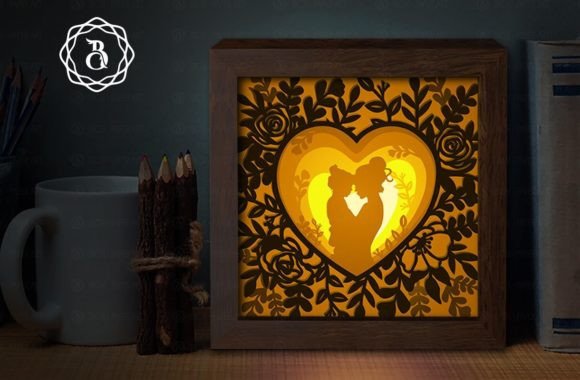
Mom and Baby Shadow Box: A Layered Paper Art Guide
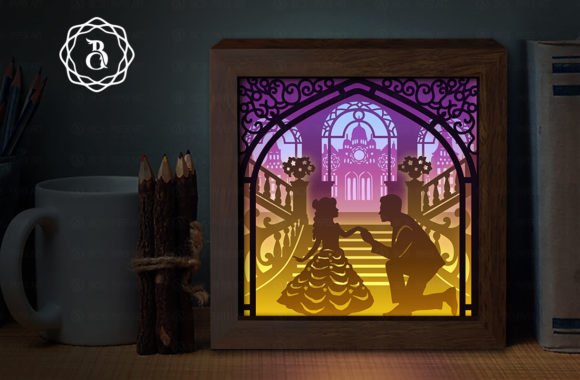
There is a specific kind of magic that happens when light meets paper. It transforms a flat, static image into a living, breathing scene with depth and atmosphere. The Mom and Baby Shadow Box captures this exact sentiment, offering a tender visual narrative built through meticulous cut paper layers. Unlike standard wall art or digital prints that rely solely on ink and pixel density, this design leverages the interplay of shadow and illumination to create an emotional connection. When you utilize white paper in combination with LED lights installed on the back, the result is a soft, ethereal glow that highlights the delicate details of the mother and child silhouette. However, the versatility extends beyond monochrome; combining different colored papers allows you to inject warmth, contrast, and personal style into the piece, making it a truly unique gift for loved ones or a sparkling addition to a nursery.
As a digital product available for instant download, this template bridges the gap between traditional craftsmanship and modern convenience. The file includes eight distinct layers, provided in SVG, JPG, and PDF formats, each sized at 20x20cm. This multi-layered approach is what gives the artwork its three-dimensional personality. For designers and crafters, understanding how to manipulate these layers is key to unlocking the full potential of the project. Whether you are a hobbyist looking to create a heartfelt present or a small business owner aiming to expand your range of handmade home decor, the Mom and Baby Shadow Box offers a robust foundation for creative expression.
Crafting Depth Through Precision and Light
The visual appeal of this shadow box lies in its construction. Each of the eight layers serves a specific purpose in building the scene's hierarchy. In typography and graphic design, we often talk about visual weight and hierarchy to guide the viewer's eye; here, physical depth performs that same function. The foreground layers might feature intricate details of the baby or the mother's embrace, while the background layers establish the setting and mood. When light passes through these varying depths, it casts subtle shadows that define the contours of the figures, creating a sense of realism that a flat image simply cannot achieve.
To bring this vision to life, material selection is critical. The recommendation to use paper between 180 and 220 gsm is not arbitrary. This weight provides enough rigidity to hold its shape within the frame without sagging, yet it remains thin enough to allow light to permeate effectively if you choose a backlit design. Using standard printer paper would result in a flimsy structure that fails to cast defined shadows, while cardstock that is too thick might block the light entirely or prove difficult to cut with precision. The choice of a 5mm foam board as a spacer between layers is equally important; it creates the necessary distance for the shadows to form, enhancing the three-dimensional effect.
For those equipped with a Cricut machine or similar cutting tools, the process becomes significantly more efficient. These machines excel at handling complex vector paths found in the included SVG files, ensuring clean edges and consistent results across multiple units. This is particularly valuable for entrepreneurs producing items for sale, where consistency and speed are vital. However, for the purist or the occasional crafter, an art knife and a steady hand can yield equally stunning results, adding a human touch to the final piece. The act of manually cutting each layer connects the creator to the artwork, infusing it with a level of care that resonates with the recipient.
Strategic Applications for Designers and Makers
While the Mom and Baby Shadow Box is inherently a physical craft project, its underlying design principles offer valuable lessons for professionals in branding, marketing, and publishing. The concept of layering to create depth is directly applicable to editorial design and web design. Just as the paper layers build a scene, designers use overlapping elements, drop shadows, and z-index positioning to create interface hierarchy and guide user attention. Understanding how light interacts with these physical layers can inspire digital creators to think more critically about lighting effects in their social media graphics or packaging design.
Furthermore, the emotional resonance of this specific subject matter makes it a powerful tool for brand storytelling. A boutique specializing in maternity wear, a pediatric clinic, or a family-oriented non-profit could utilize this aesthetic in their brand identity. The softness and intimacy conveyed by the shadow box style align perfectly with brands that want to project warmth, care, and protection. If you were adapting this style for a logo design or a marketing campaign, you would focus on simplifying the layers to ensure recognizability at smaller scales while maintaining the core feeling of connection.
From a commercial perspective, the flexibility of the file formats (SVG, JPG, PDF) ensures compatibility with a wide range of workflows. SVG files are essential for scalability, allowing you to resize the design for larger installations or smaller embellishments without losing quality. This adaptability is crucial for commercial font users and asset creators who need their work to perform across various mediums. Although this project centers on paper art, the discipline required to manage eight separate layers mirrors the complexity of managing multiple assets in a large-scale creative font family or a comprehensive design system.
Practical Execution and Professional Finish
Executing this project successfully requires attention to detail, particularly regarding assembly. The instruction to use a shadow box frame with an internal size of 20x20cm is non-negotiable for maintaining the intended proportions. Deviating from this size could compress the layers, destroying the depth effect, or leave unsightly gaps that break the immersion. Double-sided tape or glue must be applied strategically to avoid visible residue, which can detract from the professional finish of the piece. For those selling these items, the quality of the assembly directly impacts perceived value and customer satisfaction.
Lighting choices also play a pivotal role in the final outcome. While white paper with white LEDs creates a classic, moonlit effect, experimenting with colored papers can shift the mood entirely. Warm amber tones can evoke a sunset or a cozy fireplace, while cool blues might suggest a nighttime sky. This level of customization allows creators to tailor the product to specific interior design trends or customer preferences. It turns a static template into a dynamic canvas for creativity.
Ultimately, the Mom and Baby Shadow Box represents more than just a craft kit; it is an exercise in patience, precision, and artistic vision. Whether you are a seasoned designer looking to explore tactile mediums or a parent wanting to create a memorable keepsake, the process offers a rewarding blend of technical challenge and emotional fulfillment. By respecting the materials, understanding the mechanics of light and shadow, and applying a thoughtful approach to assembly, you can transform a simple digital download into a cherished piece of art that stands the test of time.
If you encounter any issues with file sizing or require adjustments to the layers, reaching out to the creator is encouraged. This support ensures that your project starts on the right foot, minimizing frustration and maximizing creative potential. In the world of digital assets, reliable support is just as valuable as the quality of the design itself, fostering a community of makers who can confidently push the boundaries of their craft.