Evaluating the Pincushion Spider Protea: A Guide to Choosing Between Real, Preserved, and Paper Floral Options
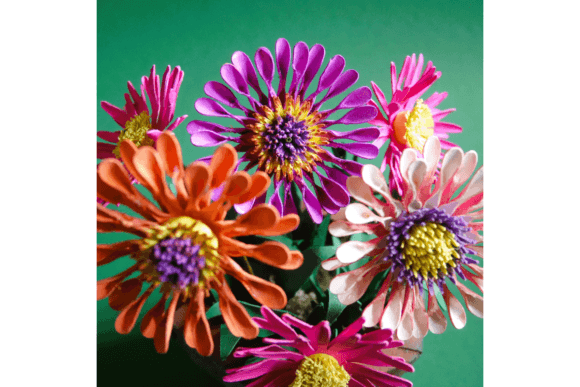
The Pincushion Spider Protea is a botanical marvel that commands attention wherever it appears. Native to South Africa, this distinctive bloom is characterized by its dramatic, radiating structure. Unlike traditional flowers with soft, overlapping petals, the Spider Protea features slender, needle-like florets that burst outward from a prominent central core, creating a silhouette reminiscent of a fiery sunburst or an intricate starburst. The natural coloration often shifts from deep oranges and vibrant yellows at the tips to softer hues near the base, offering a visual complexity that few other flowers can match. For designers, event planners, and home decor enthusiasts, incorporating this exotic element into a space requires careful consideration of materials, longevity, and maintenance.
When deciding how to integrate the aesthetic of the Pincushion Spider Protea into an interior, one must weigh several distinct approaches: utilizing fresh cut stems, investing in preserved botanicals, or opting for high-quality paper recreations. Each method offers a unique set of advantages and tradeoffs depending on the specific needs of the project, the desired lifespan of the arrangement, and the level of interaction required.
Fresh vs. Artificial: Understanding the Lifecycle and Maintenance
The most immediate comparison lies between the living organism and its artificial counterparts. Fresh Pincushion Spider Proteas are undeniably striking when first cut. They bring a natural fragrance and the subtle imperfections of living tissue that signal authenticity. However, their utility is strictly limited by time. As cut flowers, they typically last between one to two weeks, provided they are kept in cool water and away from direct heat. For a short-term event, such as a wedding reception or a weekend dinner party, fresh stems may be the superior choice due to their organic presence.
Conversely, the limitations of fresh flowers become apparent in long-term decor scenarios. They require daily maintenance, including trimming stems and changing water to prevent bacterial growth. Furthermore, as they age, the vibrant orange and yellow tones can dull, and the spiky petals may droop, losing the structural integrity that defines the species. For office environments or permanent home installations where consistent visual impact is required without daily upkeep, fresh flowers are often impractical.
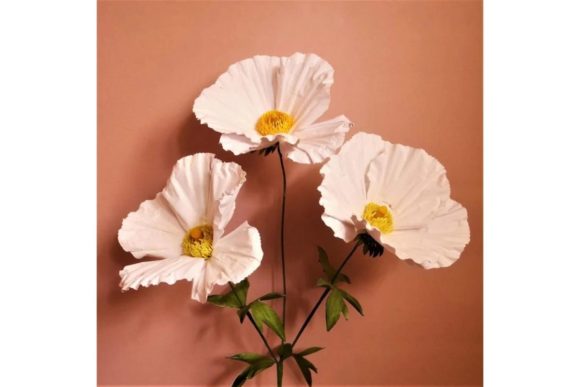
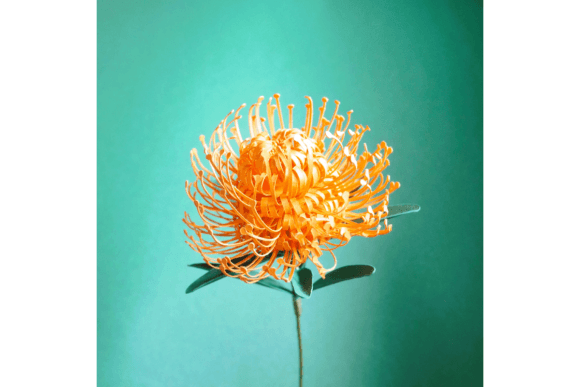
This is where paper flower alternatives, such as the offerings found in specialized DIY kits, present a compelling case. A well-crafted paper Pincushion Spider Protea is designed to emulate the intricate structure of the real flower while eliminating the decay factor. High-end paper versions utilize crepe or cardstock with subtle color gradations to mimic the natural shift from the core to the petal tips. When anchored with realistic green foliage, these creations capture the dramatic presence of the original bloom without the risk of wilting. For a centerpiece on a dining table that needs to remain pristine throughout a multi-course meal, or as a permanent accent in a living room, the paper variant offers reliability that fresh flora cannot.
The Role of Craftsmanship in Visual Authenticity
Not all artificial flowers are created equal. The market is saturated with mass-produced plastic or silk imitations that often fail to capture the unique texture of the Spider Protea. Plastic versions tend to have a uniform sheen and rigid structure that looks unnatural under close inspection. Silk flowers offer better drape but often lack the specific "spiky" definition required to identify the species correctly.
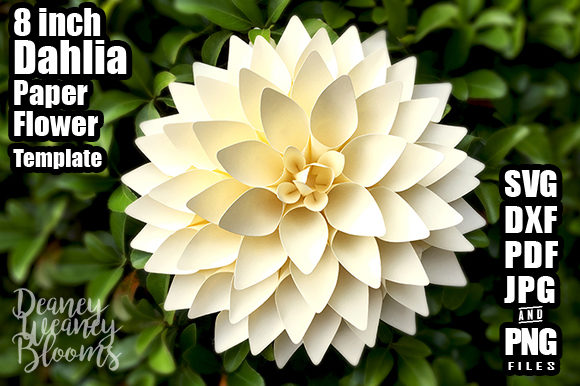
The Pincushion Spider Protea relies heavily on the precision of its individual florets. This is where the medium of paper excels, particularly when produced through meticulous craftsmanship or precise digital cutting. Modern paper floral kits often include SVG files compatible with electronic cutting machines, ensuring that every slender petal is cut with mathematical accuracy. This precision allows for the layering necessary to create depth, replicating the dense, radial symmetry of the natural flower.
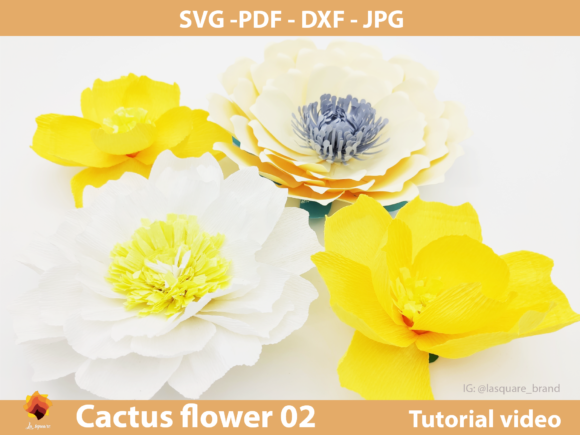
For those who value the process as much as the result, the DIY aspect adds significant value. Assembling a paper Protea is not merely a manufacturing task; it is a creative outlet. Detailed instructions, available in both video and PDF formats in quality kits, guide the user through shaping each petal and assembling the core. This hands-on approach allows the creator to adjust the curvature and spread of the petals, customizing the final look to suit specific lighting conditions or color schemes. The result is a bespoke piece of decor that feels personal and intentional, rather than a generic store-bought item.
Decision Factors: When to Choose Paper Over Nature
Determining whether the paper version of the Pincushion Spider Protea is the right choice involves evaluating several key factors:
- Longevity Requirements: If the installation needs to last for months or years without replacement, paper is the only viable option alongside preserved botanicals. Fresh flowers are unsuitable for permanent displays.
- Allergy Considerations: While Proteas are generally low-pollen, some individuals may still react to fresh plant matter or the preservatives used in floral foam. Paper flowers provide a hypoallergenic solution that maintains the visual warmth of the bloom without triggering sensitivities.
- Environmental Control: In spaces with extreme temperatures, such as a sun-drenched atrium or a cold office lobby, fresh flowers may wilt rapidly. Paper flowers remain stable regardless of ambient temperature, making them ideal for challenging environments.
- Budget and Resource Allocation: While high-quality fresh Proteas can be expensive and seasonal, a one-time investment in a durable paper kit or a finished paper arrangement can be more cost-effective over time. There is no need for recurring purchases.
- Customization Needs: If a specific color palette is required that does not exist in nature—such as a metallic gold tip or a specific shade of teal to match brand colors—paper allows for total chromatic control, whereas fresh flowers are limited to their natural genetic expression.
Practical Applications in Modern Decor
The bold geometry of the Spider Protea makes it particularly well-suited for modern and contemporary decor styles. Its architectural form complements clean lines, minimalist furniture, and industrial elements. In a corporate setting, a cluster of paper Proteas can brighten a sterile reception area, adding a splash of vibrant orange and yellow that boosts morale without the logistical burden of maintaining a florist contract.
In residential settings, these flowers serve as excellent focal points. Placed as a centerpiece on a dining table, they withstand the heat of candles and the movement of guests better than delicate fresh blooms. In a living room, a single large stem in a slender vase can act as a sculptural element, drawing the eye and adding height to a shelf or mantel. The contrast between the fiery hues of the bloom and the stark green of the accompanying leaves creates a dynamic visual balance that enlivens neutral spaces.
Limitations and Final Considerations
While the benefits of paper Pincushion Spider Proteas are numerous, it is important to acknowledge their limitations. They do not provide the olfactory experience of fresh flowers. For individuals who prioritize scent as part of their sensory environment, a paper flower will feel incomplete unless paired with essential oil diffusers or scented candles. Additionally, paper flowers can accumulate dust over time and require gentle cleaning with compressed air or a soft brush to maintain their pristine appearance.
Furthermore, the perception of "value" varies among audiences. In some high-end hospitality contexts, the knowledge that a flower is artificial might be perceived negatively by guests who expect luxury to equate to freshness. However, as the craftsmanship of paper floristry improves, with hyper-realistic textures and coloring, this stigma is diminishing. Many viewers appreciate the artistry and permanence of a well-made paper flower just as much as a living one.
Ultimately, the choice between fresh, preserved, and paper depends on the specific goals of the project. If the priority is fleeting natural beauty and scent, fresh is the answer. If the goal is a lasting, low-maintenance, and highly customizable statement piece that captures the fiery spirit of the Spider Protea, then a meticulously crafted paper version offers an unparalleled solution. By understanding these tradeoffs, designers and homeowners can make informed decisions that best suit their spatial and functional needs.