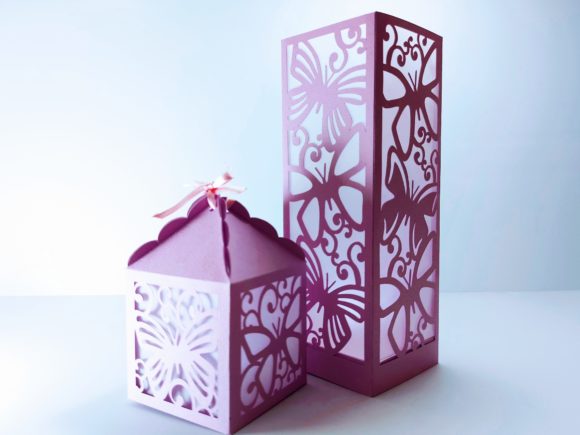
Elevating Celebrations with Handcrafted Butterfly Lantern and Box Decor
The art of party planning has evolved significantly in recent years, shifting from generic, mass-produced decorations to personalized, handcrafted elements that tell a story. At the heart of this creative revolution are digital cutting files that empower creators to transform simple sheets of cardstock into intricate centerpieces and favors. Among the most captivating designs available to modern crafters is the Butterfly Lantern and Box collection by Exodus31Designs. This unique set bridges the gap between functional lighting and elegant gift packaging, offering a versatile solution for a wide array of social gatherings.
Whether you are a professional event planner looking to differentiate your services, a hobbyist seeking a meaningful weekend project, or an educator teaching design principles, understanding the potential of these digital assets is crucial. The following guide explores the practical applications, material considerations, and assembly workflows associated with creating these stunning paper crafts, ensuring you can maximize their impact for any occasion.
Versatility Across Life's Milestones
One of the defining characteristics of the Butterfly Lantern and Box design is its remarkable adaptability. While many paper craft templates are rigidly themed—locked into specific holidays or color schemes—this collection relies on the universal symbolism of the butterfly to remain relevant across diverse events. The butterfly represents transformation, hope, and beauty, making it a fitting motif for milestones that mark new chapters in life.
For weddings and engagements, these lanterns serve as ethereal table centerpieces. When crafted from ivory or blush-toned cardstock and illuminated by battery-operated tea lights, they cast a soft, romantic glow that enhances the ambiance without overpowering conversation. The accompanying favor boxes provide a cohesive look for guest gifts, such as chocolates or small succulents, ensuring a unified aesthetic throughout the venue.
In the context of baptisms and christenings, the delicate nature of the cutouts aligns perfectly with the gentle tone of the ceremony. Parents and godparents often seek decor that feels pure and celebratory; using white or pastel blue papers allows the intricate details of the butterfly wings to stand out against the clean background. Similarly, for birthdays, the design offers a canvas for creativity. By utilizing vibrant, solid color papers or patterned prints, creators can tailor the lanterns to match a specific age group or party theme, ranging from whimsical children's parties to sophisticated adult celebrations.
Even anniversaries benefit from this design. The act of crafting these items adds a layer of personal effort and love that store-bought decorations simply cannot replicate. The ability to customize the paper choice means the decor can reflect the couple's favorite colors or the traditional anniversary gift material, adding a thoughtful touch to the celebration.
Material Selection and Structural Integrity
The success of any paper crafting project hinges on the quality of materials used. For structural items like lanterns and boxes that must hold their shape and potentially support a light source, the weight and texture of the cardstock are paramount. The designers behind this collection specifically recommend Encore Cardstock 80 lb cover (216 gsm). Understanding why this specific weight is suggested provides valuable insight into paper engineering.
Cardstock that is too light, such as standard printer paper or 65 lb cover, lacks the rigidity required to maintain the three-dimensional structure of a lantern. It may bow under its own weight or fail to hold crisp folds, resulting in a sloppy appearance. Conversely, cardstock that is too heavy can be difficult to fold cleanly without cracking the fibers, especially along intricate score lines. The 80 lb cover weight strikes an ideal balance, offering enough stiffness to create free-standing structures while remaining pliable enough for precise folding.
When selecting papers for the Butterfly Lantern and Box, creators should consider both solid colors and printed patterns. Solid colors allow the shadows cast by the cut-out butterflies to take center stage, creating dramatic silhouettes when lit. Printed papers, on the other hand, can add depth and texture. Floral prints might enhance a spring garden party, while geometric patterns could modernize the look for a contemporary event. The key is to ensure the print scale matches the size of the lantern; large, bold prints may overwhelm the delicate butterfly cutouts, whereas subtle textures complement them.
For those sourcing materials, visiting a dedicated 12×12 Cardstock Shop ensures access to high-quality sheets that are compatible with major cutting machines. Using premium materials not only improves the final look but also ensures durability, allowing the lanterns to be reused or kept as keepsakes long after the event has concluded.
The Digital Workflow: From SVG to Physical Object
The transition from a digital file to a tangible craft object involves a streamlined workflow that leverages modern technology. The Butterfly Lantern and Box collection is provided in SVG format, the industry standard for vector graphics used in electronic cutting machines like Cricut and Silhouette. This format ensures that the design remains crisp and scalable regardless of the size at which it is cut.
A standout feature of this specific design collection is the inclusion of files with and without score lines. This flexibility caters to different user preferences and machine capabilities. Users with machines that support scoring tools (such as the Cricut Explore or Maker) can utilize the pre-scored files to automatically create fold lines, ensuring perfect creases every time. For those using older models or manual methods, the version without score lines allows for manual scoring using a bone folder and ruler, preventing the machine from attempting to cut where it should only fold.
Upon purchasing the design, users receive more than just the cutting files. A comprehensive PDF instruction manual guides the assembler through the process, breaking down complex steps into manageable actions. Furthermore, the inclusion of a link to a video tutorial addresses the visual learning needs of many crafters. Watching the assembly process in real-time helps clarify tricky folds and gluing techniques, reducing frustration and increasing the success rate for beginners.
This educational approach is exemplified by the design's feature in the CF Class: How to Make a Themed Birthday Party Set Using Your Cricut. Such integrations highlight how digital assets are not merely products but components of a larger learning ecosystem. By engaging with these tutorials, creators develop broader skills in spatial reasoning, adhesive application, and design coordination.
Practical Assembly Considerations
While the digital files handle the cutting precision, the assembly phase requires human dexterity and attention to detail. Constructing a Butterfly Lantern and Box involves several critical steps that determine the final quality of the piece.
- Preparation: Before removing the cut pieces from the mat, ensure all weeding (removing excess paper) is complete. Use tweezers for the tiny, intricate parts of the butterfly wings to avoid tearing the delicate connections.
- Scoring and Folding: If using the scored files, run a bone folder along the indentations to sharpen the creases. Accurate folding is essential for the box to close flush and the lantern to stand straight. Follow the mountain and valley fold indicators precisely.
- Adhesion: Choose an adhesive appropriate for paper crafts. Liquid glue offers strong bonds but requires drying time and careful application to avoid seepage. Double-sided tape provides a clean, instant bond and is often preferred for box construction. Hot glue can be used for structural tabs but should be applied sparingly to prevent warping.
- Lighting Safety: When inserting a light source into the lantern, always use battery-operated LED tea lights. Never use real flames, as paper is highly flammable. Ensure the light fits snugly at the base so it does not tip over.
For educators and workshop leaders, this assembly process serves as an excellent exercise in fine motor skills and following sequential instructions. It demonstrates how two-dimensional plans translate into three-dimensional objects, a core concept in STEM and arts education.
Economic and Environmental Advantages
Beyond the aesthetic appeal, adopting digital designs like the Butterfly Lantern and Box offers significant economic and environmental benefits compared to purchasing pre-made decor. From a cost perspective, buying a digital file once allows for unlimited reproduction. For business owners or event planners managing multiple events, the return on investment is immediate. Instead of paying a premium for bespoke handmade items from a third party, professionals can produce high-volume decor in-house at a fraction of the cost of materials.
Environmentally, this approach promotes sustainability through waste reduction and material control. Mass-produced party favors often come wrapped in plastic and shipped globally, contributing to a significant carbon footprint. By crafting locally using responsible sources like Encore Cardstock, creators reduce transportation emissions. Additionally, paper is biodegradable and recyclable, unlike many plastic alternatives found in party supply stores. Creators have full control over the quantity produced, eliminating the waste associated with buying bulk packs of decorations where only a portion is used.
Furthermore, the longevity of these items adds value. A well-constructed paper lantern can be carefully disassembled or stored flat for future use, extending its lifecycle beyond a single event. This reusability contrasts sharply with the "single-use" culture prevalent in the party industry.
Expanding Creative Horizons
The Butterfly Lantern and Box is not just a product; it is a starting point for innovation. Experienced crafters often modify these base designs to suit niche requirements. For instance, one might experiment with translucent vellum paper layered behind the butterfly cutouts to diffuse light differently, creating a stained-glass effect. Others might incorporate mixed media, adding ribbon handles to the boxes or attaching dried flowers to the lantern exteriors for a rustic look.
For researchers and designers studying consumer trends, the popularity of such kits reflects a broader desire for authenticity and customization in consumer goods. People are increasingly valuing the "maker" aspect of products, finding satisfaction in the process of creation as much as the final result. This trend suggests that providing high-quality, flexible digital assets with robust support materials (like video tutorials and detailed PDFs) will continue to be a vital sector in the creative economy.
In conclusion, the integration of the Butterfly Lantern and Box into your crafting repertoire offers a blend of elegance, functionality, and creative freedom. Whether utilized for a grand wedding reception or an intimate family dinner, these designs prove that with the right digital tools and quality materials, anyone can create professional-grade decor. By understanding the nuances of material selection, leveraging the flexibility of SVG files, and mastering the assembly workflow, creators can bring a touch of magic to any occasion, turning simple cardstock into memorable experiences.