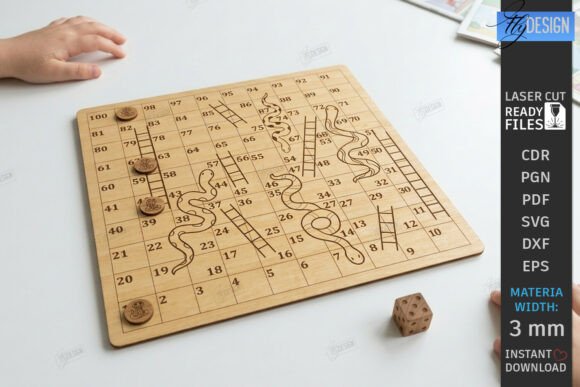
Vintage Board Game Laser Cut Designs
There is a distinct charm to the tactile experience of traditional tabletop gaming. In an era dominated by digital screens and ephemeral virtual interactions, the weight of a wooden piece in hand and the visual appeal of a well-crafted board offer a grounding sense of nostalgia. Vintage Board Game Designs Laser Cut files provide modern makers with the tools to recreate this classic atmosphere, blending retro aesthetics with contemporary fabrication technology. Whether you are a hobbyist looking to build a unique family heirloom or a small business owner aiming to expand your product line with high-quality wooden toys, these designs offer a versatile foundation for creative projects.
The Appeal of Retro Gaming Aesthetics
The resurgence of interest in analog games is not merely a trend; it is a cultural shift toward mindful entertainment. Families and friends are increasingly seeking activities that encourage face-to-face interaction, strategic thinking, and shared laughter. Vintage designs, such as Snakes and Ladders or Ludo, carry a visual language that is instantly recognizable and comforting. The intricate patterns, classic typography, and symmetrical layouts evoke a sense of history and craftsmanship.
By utilizing laser-cutting technology, creators can reproduce these detailed visuals with precision that was once only possible through industrial manufacturing. The ability to layer wood creates depth and texture, transforming a flat game board into a three-dimensional art piece. This fusion of old-world charm and new-world precision makes Vintage Board Game Designs Laser Cut projects particularly appealing to consumers who value both aesthetics and functionality.
Technical Precision and File Compatibility
For any laser cutting project, the quality of the final product is directly dependent on the quality of the source files. Professional-grade vector files ensure that every curve, corner, and engraving line is interpreted correctly by your machine. When working with complex retro patterns, clarity is essential. The provided archives typically include SVG, EPS, PNG, PDF, and DXF formats, ensuring compatibility with a wide range of software and hardware, from Glowforge units to industrial CO2 lasers.
Understanding the distinction between cut lines and engrave areas is critical for successful execution. In standard design protocols, red lines often indicate where the laser should cut through the material, while black lines or filled areas denote engraving or etching. This separation allows for efficient processing and prevents errors during production. Before beginning any project, it is advisable to test these settings on scrap material to ensure that the power and speed settings align with your specific machine’s capabilities and the thickness of your chosen wood.
Material Selection for Durability and Finish
Plywood is a popular choice for these projects due to its stability and affordability, but the type of plywood matters. Birch plywood, for instance, offers a light, consistent grain that takes stains and paints beautifully, enhancing the vintage look. For a more rustic appearance, walnut or cherry veneers can add warmth and sophistication. When selecting materials, consider the end user. If the game is intended for young children, ensure that the wood is non-toxic and sanded smooth to prevent splinters. The layered nature of 3D wooden games also requires precise alignment, so choosing materials with minimal warping is essential for a professional finish.
Creative Applications for Makers and Entrepreneurs
The versatility of Vintage Board Game Designs Laser Cut files extends beyond simple home use. For entrepreneurs and small business owners, these designs represent an opportunity to create high-margin, customizable products. Here are several ways to adapt these files for different markets:
- Custom Family Gifts: Personalize the center of the board with a family name or a significant date. This transforms a standard game into a cherished keepsake for weddings, anniversaries, or housewarmings.
- Educational Tools: Educators can use these boards to teach geometry, probability, and history. The physical act of moving pieces helps reinforce learning concepts for younger students in a tangible way.
- Event Decor and Activities: Wedding planners and event coordinators are always looking for interactive guest activities. A large-scale wooden Snakes and Ladders board can serve as both decor and entertainment at receptions or corporate retreats.
- Subscription Box Items: Curated monthly boxes for hobbyists often include DIY kits. Providing the pre-cut pieces along with assembly instructions and finishing supplies creates a satisfying weekend project for subscribers.
Design Variations and Customization
While the core mechanics of games like Chutes and Ladders remain constant, the visual presentation offers endless room for innovation. Creators can experiment with different themes while maintaining the underlying structure. For example, a "nautical" version might feature ropes instead of ladders and sea monsters instead of snakes, appealing to a specific niche audience. Alternatively, a minimalist approach using clean lines and natural wood tones can attract modern interior design enthusiasts who want games that double as coffee table decor.
Color plays a significant role in defining the mood of the piece. Instead of traditional bright primary colors, consider using muted earth tones, pastels, or even monochromatic schemes achieved through varying wood stains. This approach elevates the game from a toy to a piece of functional art. Additionally, incorporating mixed media, such as resin fills for the pathways or fabric inserts for the playing surface, can add unique textural elements that distinguish your work from mass-produced alternatives.
Practical Tips for Assembly and Finishing
Assembly is where the magic happens, but it requires patience and attention to detail. To ensure a seamless final product, dry-fit all pieces before applying any adhesive. This step allows you to check for fit issues and make necessary adjustments without the pressure of drying glue. Use high-quality wood glue for strong bonds, and clamp the layers securely to prevent shifting.
Finishing touches can significantly enhance the perceived value of the game. Sanding edges smoothly ensures safety and comfort during play. Applying a clear coat or beeswax polish protects the wood from wear and tear while highlighting the natural grain. For engraved details, consider using contrasting ink or paint to make the numbers and instructions pop, ensuring readability for players of all ages.
Building a Community Around Your Craft
Sharing your process and final results on social media platforms can help build a loyal following. People are drawn to the behind-the-scenes aspects of creation, so documenting the journey from raw file to finished product can be engaging content. Encourage feedback and questions from your audience, as this interaction fosters trust and community. By consistently delivering high-quality designs and offering support, you establish yourself as a reliable resource in the maker community.
Remember that creativity thrives on iteration. Do not be afraid to modify existing designs or combine elements from different games to create something entirely new. The goal is to inspire useful creativity that results in tangible, enjoyable objects. Whether you are creating for personal satisfaction or commercial success, Vintage Board Game Designs Laser Cut projects offer a rewarding blend of technical challenge and artistic expression.
As you explore these possibilities, keep the user experience at the forefront of your design decisions. A beautiful board is important, but a board that is durable, easy to read, and fun to play will stand the test of time. By balancing aesthetic appeal with practical functionality, you create products that resonate with people on a deeper level, bringing families and friends together around the timeless joy of play.