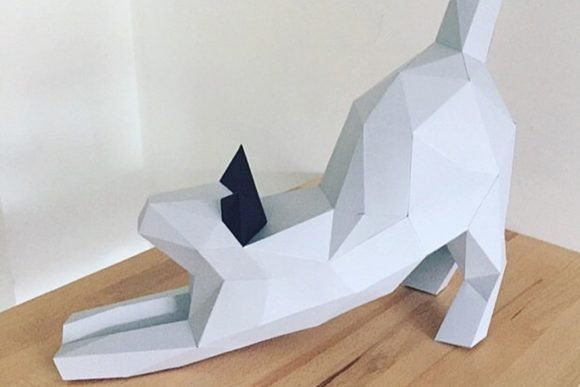
Mastering the Art of the Stretching Cat Paper Sculpture
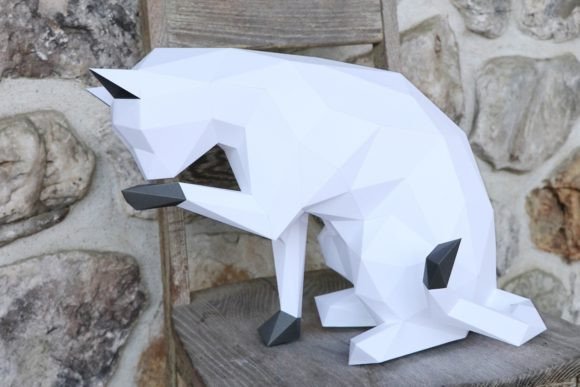
There is a distinct satisfaction in transforming a flat sheet of paper into a three-dimensional character that seems to leap off the page. The Stretching Cat Paper Sculpture captures this magic perfectly, offering a minimalist yet modern decoration that fits seamlessly into any environment. Whether you are looking to compose and arrange this charming feline around your house, place it in your garden for a whimsical touch, or set it up in the kids' room as an interactive toy, the appeal is universal. Playing with papercrafts is something unique and different because the barrier to entry is so low; the supplies and skills are readily available, cheap, and the results make for a big impact. However, achieving a professional-looking finish requires more than just cutting and gluing. Many enthusiasts rush through the process, overlooking critical details that can compromise the structural integrity and aesthetic of the final piece.
Choosing the Right Materials for Durability
The most common mistake beginners make when attempting a Stretching Cat Paper Sculpture is underestimating the importance of paper weight. It is tempting to grab whatever printer paper is lying around, but standard 20 lb copy paper simply lacks the rigidity needed to hold the shape of a standing sculpture. If the paper is too flimsy, the cat will sag, the joints will wobble, and the "stretching" mechanism may fail to function smoothly. Conversely, using paper that is too thick can make folding difficult and cause the cardstock to crack along the score lines.
To avoid these issues, you need to select a medium that balances flexibility with strength. Anywhere from 65 lb to card stock 80 lb should do the trick. This weight range provides enough body to maintain the sculpture's form while remaining pliable enough for precise folding. For those seeking a premium finish, all cardstock featured in high-quality templates is often Encore Cardstock 80 lb cover 216 gsm. This specific weight ensures that the tabs hold firmly and the overall structure remains stable over time. If you are unsure about what to buy, visiting a dedicated 12×12 Cardstock Shop can help you find the perfect texture and color to match your decor. Remember, the quality of your raw material directly dictates the longevity and presentation of your craft.
Precision in Cutting and Scoring
Once you have your materials, the next hurdle is execution. A frequent oversight occurs during the cutting and scoring phase. Many crafters treat the cut lines and fold lines with the same level of aggression, which leads to ragged edges or unintentional tears. When working with a template designed by professionals like Sofs Design, every line has a specific purpose. Cut lines are meant to separate the piece from the sheet, while score lines are meant to weaken the fiber just enough to allow a crisp fold without breaking the surface.
If you are using manual tools, ensure you have a sharp craft knife and cutting mat or a sturdy pair of scissors. Dull blades crush the paper fibers rather than slicing through them, resulting in fuzzy edges that ruin the clean, modern look of the sculpture. Furthermore, never use a sharp blade to score your lines. Instead, use a ruler and something not too sharp, such as the back of a butter knife, an empty ballpoint pen, or a dedicated bone folder. Pressing too hard with a sharp object can slice through the paper entirely, rendering the tab useless for gluing. If you use a cutting machine, you will not need these manual tools, but you must still calibrate your machine correctly to differentiate between cut and score settings. Refer to the instruction pages included with your download for important information on machine settings.
Scaling and Resizing Considerations
One of the greatest advantages of digital templates is the ability to customize the size of your project. You might want a tiny cat for a bookshelf or a large centerpiece for a party table. You can tweak the size by making sure you resize each page or SVG file equally. However, a critical error often happens here: inconsistent scaling. If you resize the body of the cat but forget to scale the instruction diagram or the connecting tabs proportionally, the pieces will not fit together. The glue tabs might end up too small to adhere properly, or the slots might be too narrow for the connectors.
Always check your print settings before committing to ink. Ensure that "scale to fit" is disabled if you are printing at a specific percentage, or enabled if you want the design to fill the page uniformly. The product contains instructions and templates for you to make this minimalist and modern decoration as many times as you want, but only if the geometry remains intact. PDF and SVG files are included to give you flexibility, but with that flexibility comes the responsibility of maintaining aspect ratios.
Assembly Techniques for a Clean Finish
The final stage is assembly, where patience pays off. A common pitfall is applying too much adhesive or using the wrong type. Wet glues like standard white glue can warp thin cardstock if applied heavily, causing the paper to curl as it dries. This warping can throw off the alignment of the entire sculpture. For best results, I use a glue stick or double-sided tape. These options provide immediate tack without saturating the paper, allowing you to position tabs accurately before they set. White glue is acceptable if used sparingly on larger tabs, but it requires clamping or holding the pieces together longer.
When assembling the stretching mechanism, ensure that the moving parts are not glued shut. It is easy to accidentally bridge a gap with excess glue, freezing the cat in one position. Test the movement frequently as you build. Additionally, take your time to align the edges perfectly before pressing the tabs down. Once a tab is stuck, trying to reposition it often tears the paper surface, leaving a visible blemish on your finished art.
Making the Right Decision Before You Start
Before diving into your project, take a moment to evaluate your workspace and tools. Do you have a flat, clean surface? Is your lighting adequate to see fine print lines? These environmental factors are often overlooked but significantly affect your efficiency and satisfaction. Rushing through a project in poor light or on a cluttered table increases the likelihood of mistakes. By preparing your environment and respecting the nuances of the materials and tools, you ensure that your Stretching Cat Paper Sculpture becomes a cherished addition to your home rather than a frustrating experiment. With the right approach, this hobby offers a rewarding blend of creativity and engineering that anyone can master.