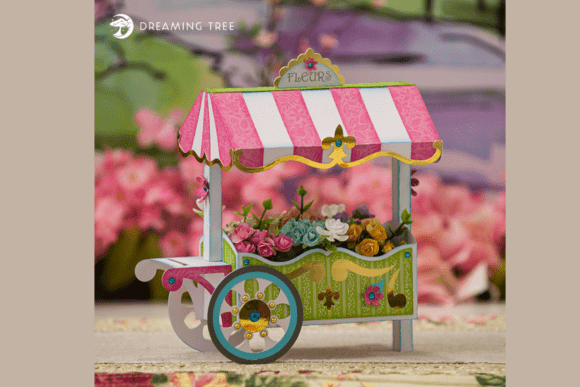
Evaluating the Flower Cart SVG for Dimensional Paper Crafting Projects
For crafters looking to transition from flat card making to dimensional paper art, the Flower Cart SVG represents a compelling entry point into the world of 3D modeling with paper. This specific design file offers a vintage-style cart overflowing with layered blossoms and foliage, creating a centerpiece that functions as both a decorative object and a technical exercise in assembly. Unlike standard two-dimensional cut files intended for vinyl decals or simple greeting cards, this project is engineered for depth, requiring an understanding of layering, structural integrity, and material selection. When evaluating whether this design fits your current skill level and project goals, it is essential to look beyond the final aesthetic and consider the workflow, material requirements, and the specific advantages of using an SVG format for complex builds.
Understanding the Format and Design Complexity
The core of this project lies in its file format. Receiving the design strictly as an SVG (Scalable Vector Graphics) file ensures compatibility with a wide range of cutting machines and software ecosystems. Whether you are using industry-standard desktop cutters designed for 12×12 materials or more robust commercial units, the vector nature of the file allows for precise scaling without pixelation. This flexibility is crucial for crafters who may need to adjust the project to fit specific display niches or gift constraints. However, users should note that while resizing is possible, the structural proportions of a 3D object change when scaled significantly; the original dimensions of 8.25″ H x 7.25″ W x 4.125″ D are optimized for the intended layer thicknesses and tab sizes.
What distinguishes the Flower Cart SVG from simpler alternatives is its reliance on intricate detailing and multi-layer assembly. The design includes a PDF legend, a critical resource often overlooked in lesser-quality files. This legend assists in identifying the numerous pieces required to build the cart's body, wheels, and the cascading floral arrangements. In comparison to "print-and-cut" raster images or basic silhouette files that lack organizational metadata, the combination of a clean SVG and a detailed legend streamlines the sorting process. For a project involving dozens of individual petals, leaves, and structural supports, this organization is not merely convenient—it is necessary to prevent assembly errors.
Material Considerations and Structural Tradeoffs
One of the most significant decision factors when undertaking a project like this is material selection. The supply list for the Flower Cart SVG calls for a specific mix of cardstock weights and finishes, including white, charcoal, and pool-colored cardstock, alongside patterned papers from collections like the DCWV Floral Paradise Stack. This requirement highlights a key difference between this project and those designed for lightweight tissue or heavy chipboard.
- Cardstock Weight: The design assumes the use of standard 65-80 lb cardstock. Using paper that is too thin may result in a flimsy structure that cannot support the weight of the layered flowers, while paper that is too thick may make folding tabs and curving petals difficult without cracking.
- Pattern vs. Solid: The inclusion of gold foil and floral pattern papers adds visual interest but introduces a challenge in orientation. Unlike solid colors where the back and front are identical (or irrelevant), patterned paper requires careful alignment during the cutting phase to ensure the print direction matches the intended look of the cart and blooms.
- Embellishments: The design anticipates the addition of liquid pearls, rhinestones, and ink for shading. This indicates that the SVG provides the structural base, but the final aesthetic realism relies heavily on the crafter's finishing techniques.
When comparing this to pre-made kits or die-cut sets, the DIY SVG approach offers greater customization in color theory but demands more foresight in material procurement. You are not limited to the manufacturer's pre-selected palette, allowing you to match the cart to specific event themes, such as a spring wedding or a Mother's Day celebration, but you must source the materials yourself.
Assembly Workflow and Learning Curve
The assembly process for the Flower Cart SVG is where the project diverges most sharply from flat crafting. The inclusion of a step-by-step video tutorial, split into two parts, suggests a complexity level that exceeds beginner-friendly pop-up cards. The construction likely involves creating box structures for the cart bed, assembling axial points for the wheels, and employing quilling or shaping techniques for the flowers to achieve a natural, organic look.
Crafters evaluating this option should consider their available time and patience. A project of this magnitude, involving three sheets of 12×12 white cardstock alone for the base structure, plus multiple accent sheets, can take several hours to complete. This contrasts with laser-cut wooden kits or foam board projects, which often snap together quickly but lack the delicate texture of paper. The tradeoff here is time versus texture; paper allows for subtle curling and shading that rigid materials cannot mimic, but it requires a slower, more deliberate hand.
Furthermore, the dimensional aspect introduces stability considerations. The 4.125″ depth provides a sturdy footprint, but the vertical height of the floral arrangement creates a center of gravity that must be managed. Users intending to ship this item as a gift must consider disassembly options or robust packaging, whereas a flat card would face no such logistical hurdles.
Comparative Analysis: SVG vs. Alternative Formats
In the broader landscape of digital crafting resources, the Flower Cart SVG occupies a specific niche. When compared to PNG or JPEG templates, the SVG format is superior for cutting accuracy. Raster images require manual tracing within software, which often leads to jagged edges or lost detail in intricate areas like flower stamens or wheel spokes. The vector paths in an SVG ensure smooth curves and precise corners, which are vital for the tight tolerances needed in 3D assembly.
Compared to proprietary cartridge designs tied to specific machine brands, an open SVG file offers longevity and platform independence. If a crafter upgrades their cutting machine in the future, the file remains usable. Proprietary formats risk obsolescence if the supporting software is discontinued. However, the downside of open SVGs is the lack of integrated "print then cut" registration marks unless manually added by the user, whereas some branded ecosystems handle this automatically.
Another alternative is laser-cut wood or acrylic kits. While these offer durability and a different aesthetic, they lack the softness and paintability of paper. The Flower Cart SVG allows for infinite color variations through ink blending and paper choice, a flexibility that pre-finished hard materials do not permit. For users seeking a rustic, shabby-chic, or vibrant garden look, paper is often the preferred medium over wood or plastic.
Ideal Use Cases and Limitations
This project is best suited for crafters who enjoy the process of building as much as the final display. It serves as an excellent choice for:
- Centerpieces: The 360-degree viewable design makes it ideal for table centers at bridal showers or birthday parties.
- Handmade Gifts: The effort involved signals a high level of care, making it a standout gift for holidays like Mother's Day.
- Skill Building: It acts as a comprehensive tutorial for mastering 3D paper mechanics, including tabbing, scoring, and layering.
However, there are limitations to consider. The project is not suitable for outdoor use unless sealed with protective sprays, as paper is susceptible to moisture and UV fading. Additionally, the intricate small parts may pose a choking hazard for young children, limiting its placement in homes with toddlers unless displayed out of reach. For crafters seeking a quick, under-one-hour project, this design may feel overwhelming due to the piece count and assembly time.
Making the Decision
Ultimately, choosing the Flower Cart SVG depends on your prioritization of customization and dimensional impact versus speed and simplicity. If your goal is to create a unique, textured display piece that showcases advanced paper crafting techniques, and you have access to the recommended cardstock and cutting tools, this design offers a robust framework for creativity. The availability of video tutorials mitigates the risk of assembly frustration, making it accessible to intermediate crafters willing to invest the time. Conversely, if you require a weather-resistant item, a mass-producible product, or a project achievable in minutes, alternative materials or simpler flat designs may better serve your needs. By weighing these factors against your specific crafting environment and goals, you can determine if this vintage-inspired cart is the right addition to your creative portfolio.